BV Admin English

Freight, Fuel & the Future of Global Used Clothing Trade

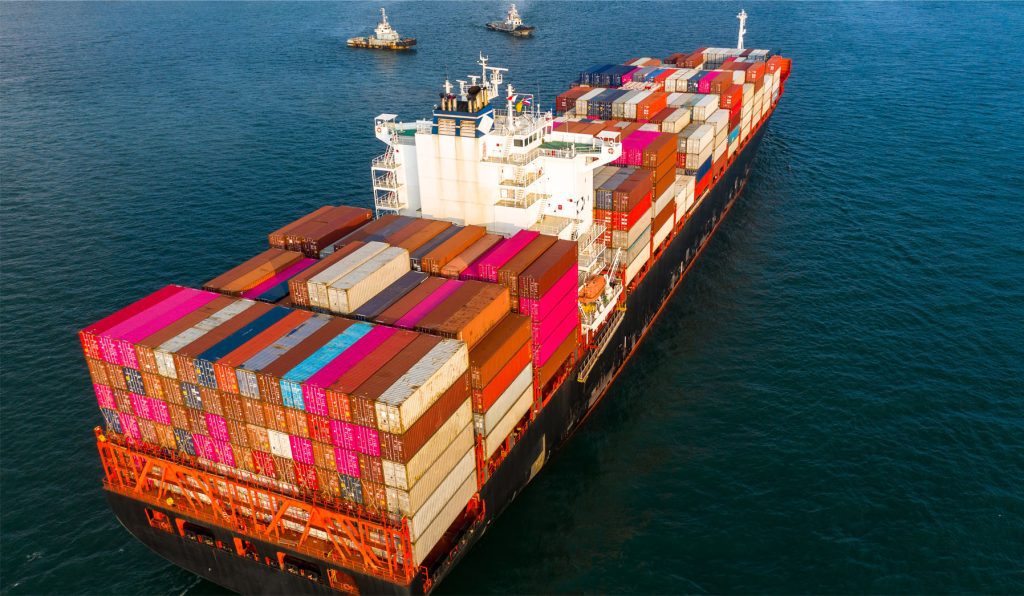
How shipping costs, carbon policies and logistics disruptions affect exporters and buyers. International trade in used clothing depends on more than the availability of merchandise and demand in destination markets. Shipping routes, freight rates, port operations and regulatory requirements all influence how goods move between countries. For exporters and wholesale buyers, understanding these factors is […]

Freight, Fuel & the Future of Global Used Clothing Trade Read More »
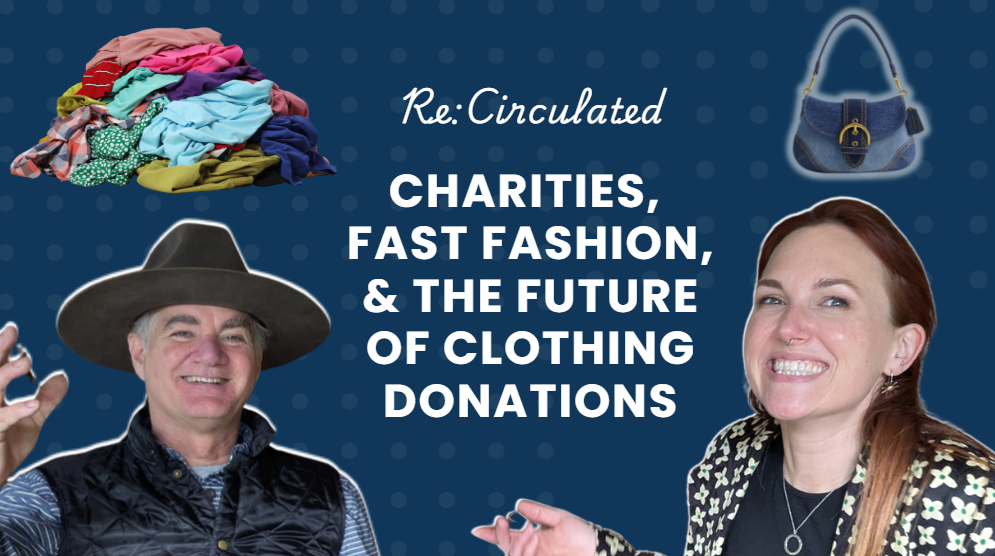
What happens to the clothes that charities can’t sell?

In this edition of the Re:Circulated video series, Steven Bethell, Co-Founder at Bank & Vogue, sits down with Charlotte Genge, sustainability expert and charity store advocate. They talk about the challenges faced by charity stores, trends in upcycled fashion, and the impact of the secondhand textile export trade in global markets. Quick summary Charity shops

What happens to the clothes that charities can’t sell? Read More »

How to Sell Used Books in Bulk to Wholesale Buyers in the US and Canada

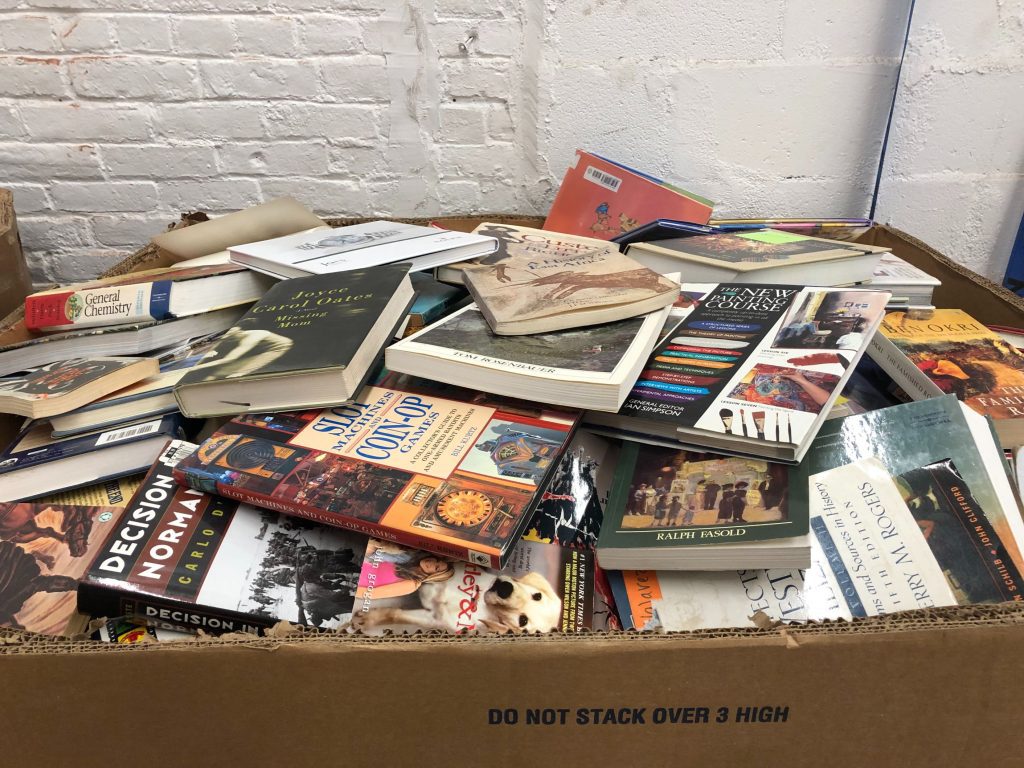
  For businesses that collect or manage large quantities of used books, finding a wholesale buyer can help turn accumulated inventory into a new sales opportunity. Charities, collection organizations and other suppliers may have thousands of books available, but selling them individually is not always practical. The bulk used book market connects these suppliers with

How to Sell Used Books in Bulk to Wholesale Buyers in the US and Canada Read More »

upcycled denim

Circular Economy in Action: How One Garment Can Create Multiple Revenue Streams

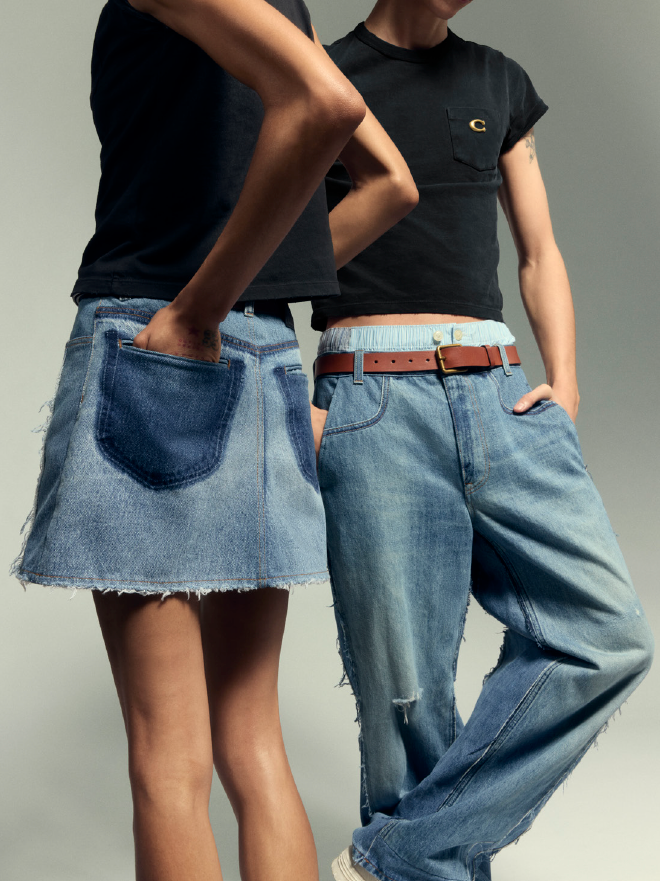
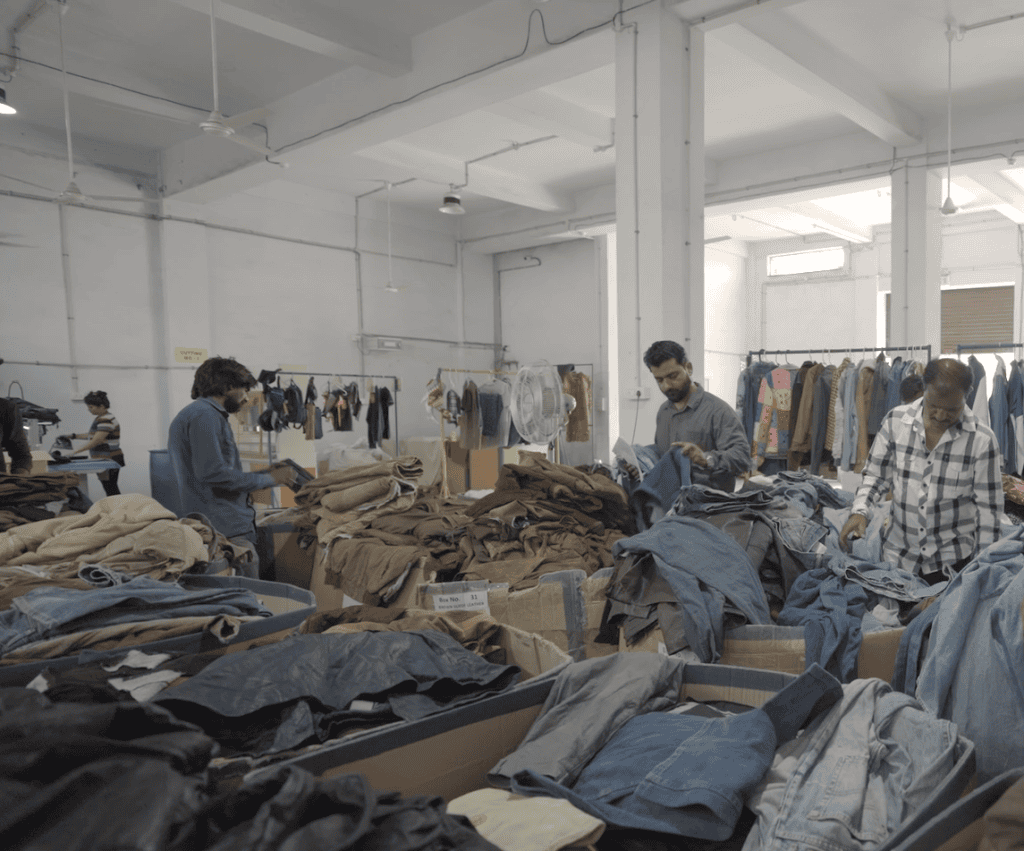
A garment does not necessarily lose its value after its first sale. Depending on its condition, material composition and market demand, it may be resold, repaired, redesigned or eventually processed for material recovery. Each option represents a different opportunity to keep resources in use while creating economic value. For businesses across the textile and secondhand

Circular Economy in Action: How One Garment Can Create Multiple Revenue Streams Read More »

How to Sell Excess Inventory Through Reverse Logistics

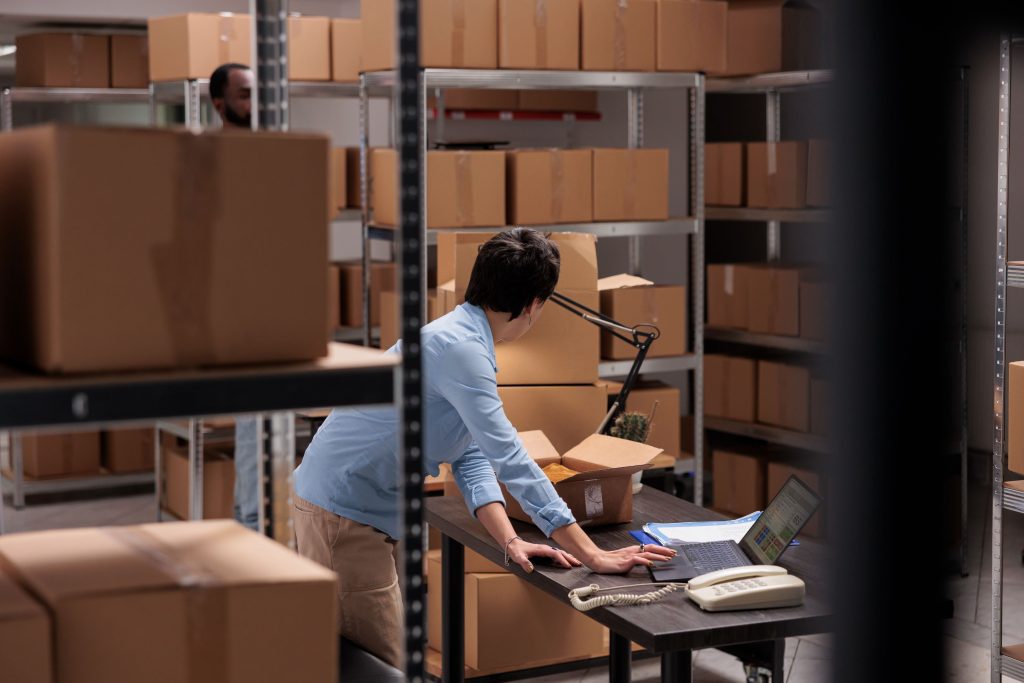
Retailers regularly manage products that no longer move through their primary sales channels. Customer returns, seasonal merchandise and overstock inventory can take up valuable storage space while tying up money that the business has already invested. Reverse logistics provides a way to manage some of this merchandise by moving it into alternative resale and distribution

How to Sell Excess Inventory Through Reverse Logistics Read More »

What Happens to Store Returns? From Reverse Logistics to the Secondary Market

For retailers, brands, distributors, and reverse logistics companies, a product’s journey does not always end when it is returned. Once returned merchandise enters the reverse logistics process, businesses must decide where it should go next. Some products can return to regular retail inventory. Others may be refurbished, returned to a vendor, sold through secondary channels,

What Happens to Store Returns? From Reverse Logistics to the Secondary Market Read More »

Can the secondhand industry solve overproduction — or is it just managing it?

The growth of the secondhand industry has transformed the way the world thinks about clothing. What was once viewed primarily as a charitable activity or a niche consumer trend has become a global industry connecting collectors, wholesalers, retailers, brands, recyclers, and millions of consumers across international markets. At the same time, fashion continues to face

Can the secondhand industry solve overproduction — or is it just managing it? Read More »

Credential Clothing Bales: The Complete Guide for Buying

Many second-hand clothing retailers look for inventory that offers a broad selection of garments while preserving the variety found in original donations. For businesses that serve vintage shops, resale stores, exporters, or independent retailers, credential clothing has become one of the most recognized sourcing options. Unlike pre-sorted products, credential clothing bales allow buyers to receive

Credential Clothing Bales: The Complete Guide for Buying Read More »

Quality Crisis: Are We Receiving Better or Worse Donations Than 10 Years Ago?

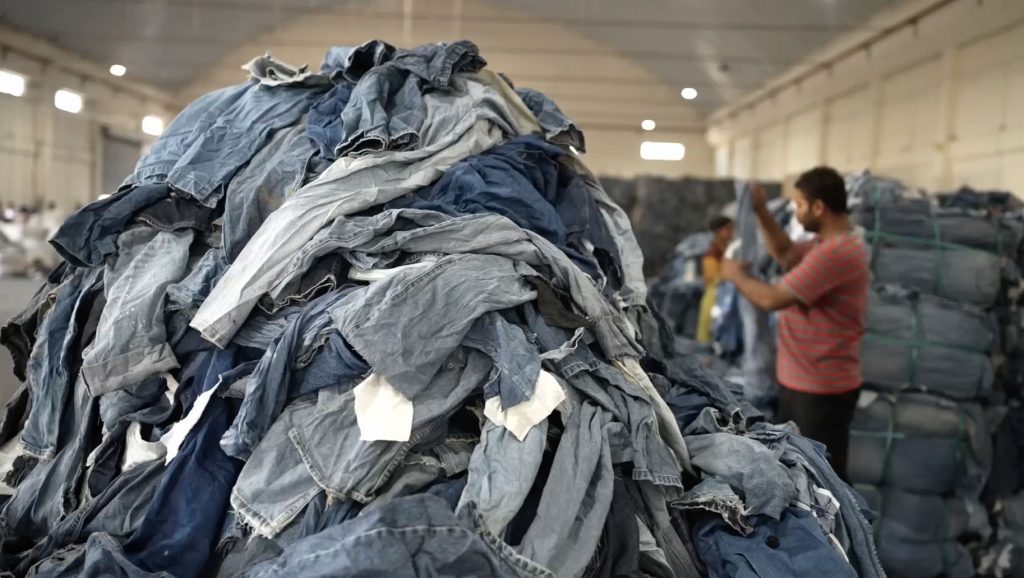
For decades, the secondhand textile industry has relied on a simple assumption: donated clothing has value. Whether garments are resold locally, exported to international markets, repurposed into wiping cloths, or recycled into new products, every donation enters a supply chain where quality determines its next destination. But ask almost any sorter, grader, or charity operator

Quality Crisis: Are We Receiving Better or Worse Donations Than 10 Years Ago? Read More »