

For decades, the secondhand textile industry has relied on a simple assumption: donated clothing has value. Whether garments are resold locally, exported to international markets, repurposed into wiping cloths, or recycled into new products, every donation enters a supply chain where quality determines its next destination.
But ask almost any sorter, grader, or charity operator today, and you’ll hear the same question:
Has the quality of donated clothing declined?
The answer is nuanced. Donation volumes remain strong, but the composition, durability, and resale potential of those donations have changed significantly over the last decade. These shifts are reshaping how charities, wholesalers, and textile recovery companies operate.
The Fast Fashion Effect
The global apparel industry now produces roughly twice as many garments as it did two decades ago, driven largely by fast fashion’s rapid production cycles and lower-cost manufacturing. Consumers are also wearing clothing fewer times before disposing of it, increasing the flow of textiles into donation and collection systems.
While higher donation volumes might appear positive, quantity does not necessarily translate into quality.
Many organizations report receiving more garments made from lightweight fabrics, lower-cost construction, and shorter product lifespans. These items often reach donation bins after relatively little use but may already show signs of wear, stretching, pilling, or fabric degradation, limiting their resale potential. Industry organizations have also linked declining recovered textile values to the growing proportion of lower-quality garments entering the secondhand stream.
Donations Aren’t Necessarily Worse—They’re Different
It’s important not to assume that every donated garment is of poor quality.
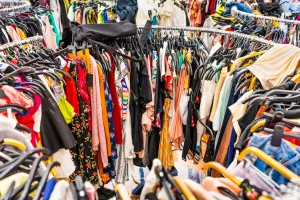
Consumers continue to donate premium brands, vintage apparel, and well-maintained clothing. However, the overall mix has evolved.
Today’s sorting facilities often process:
- More synthetic fibers such as polyester.
- A growing number of fiber blends.
- More garments designed around seasonal trends rather than long-term durability.
- Increased variation in garment quality within the same donation stream.
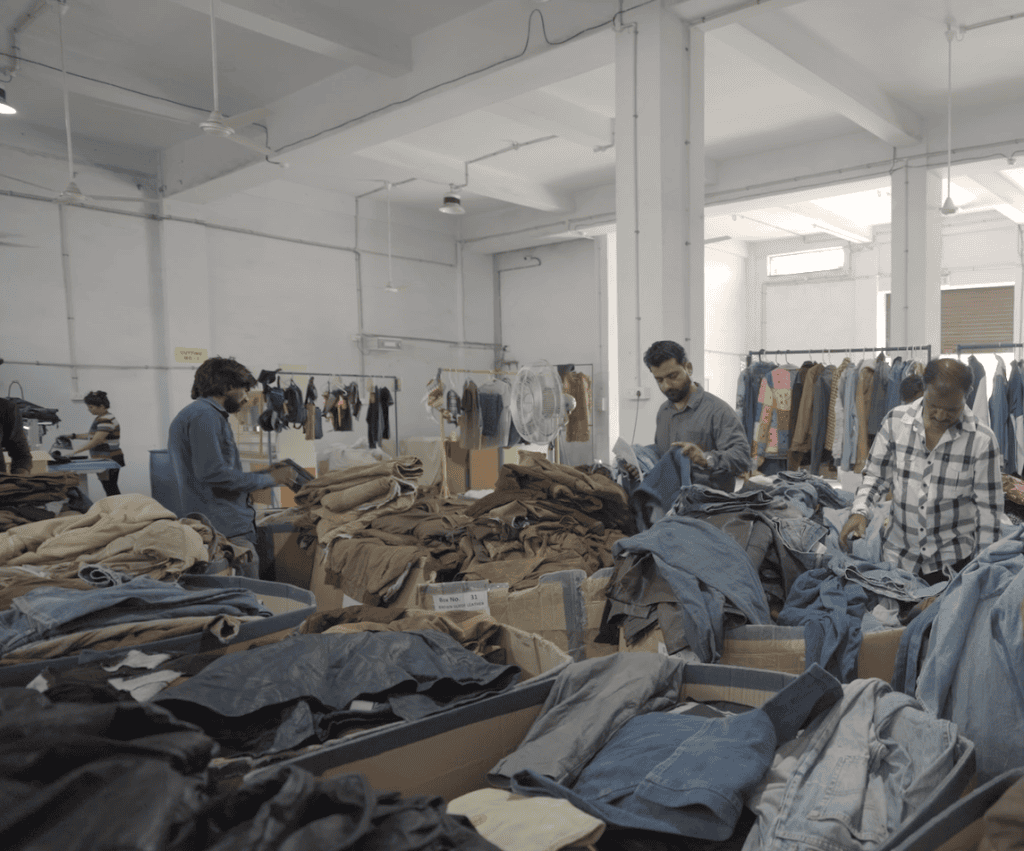
This means graders spend more time evaluating each item’s condition, construction, brand, and resale potential before assigning it to the appropriate market.
Fiber Composition Is Becoming More Complex
One of the biggest changes isn’t always visible.
Modern garments increasingly combine multiple fiber types—such as cotton-polyester, elastane blends, or fabrics incorporating recycled fibers—to achieve desired performance characteristics.
Research examining tens of thousands of donated garments found that more than one-third contained blended fiber compositions rather than a single fiber type. While these blends can improve comfort or stretch, they create additional challenges for textile recycling because separating mixed fibers remains technically difficult.
For today’s graders, understanding fiber content is becoming just as important as evaluating style or condition.
Why Quality Matters Beyond Resale
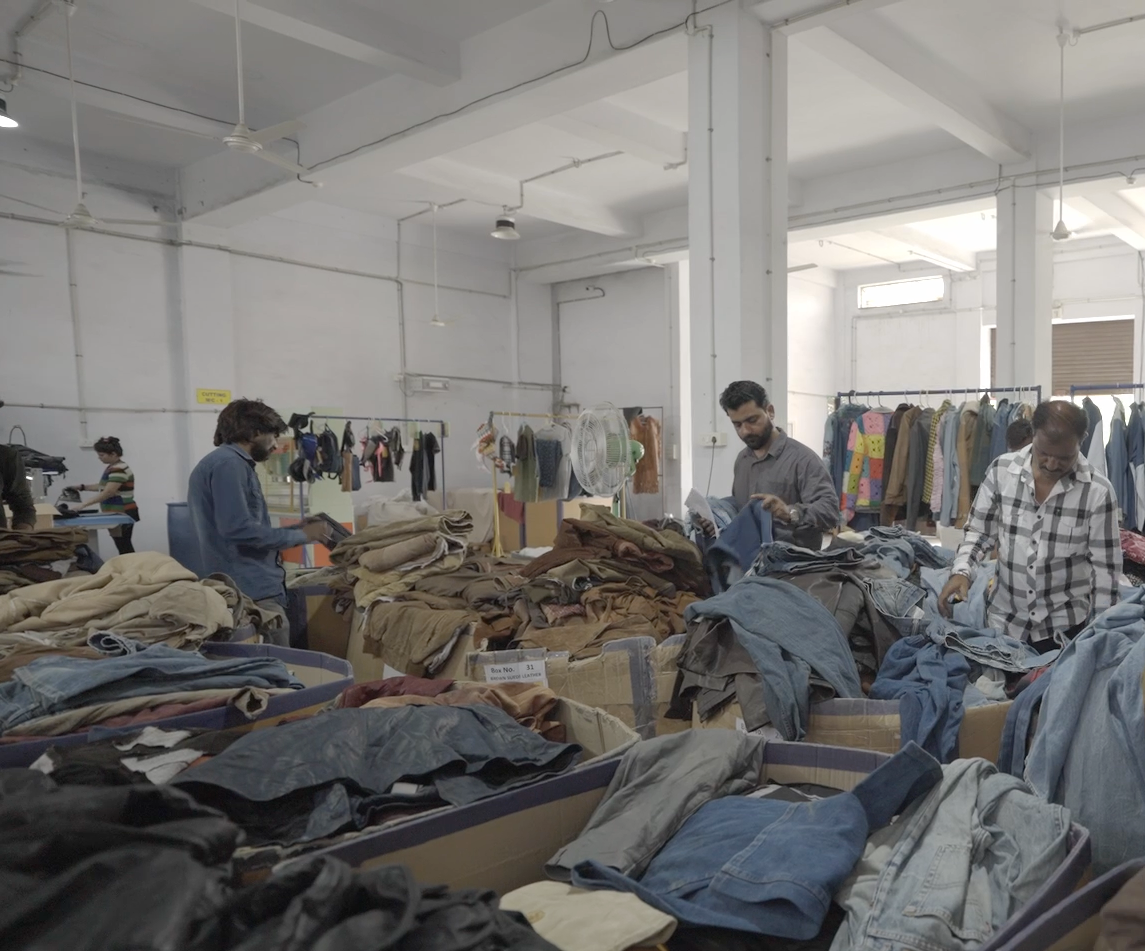
Every garment entering a sorting facility follows one of several possible paths.
Higher-quality items may enter domestic or international secondhand markets. Others may be suitable for industrial wiping products, insulation, fiber recovery, or emerging textile-to-textile recycling technologies.
However, lower-quality garments reduce the number of viable end markets.
This doesn’t necessarily mean those textiles have no value—it means identifying the right destination becomes increasingly important.
At the same time, advanced recycling technologies are expanding, but many still perform best when supplied with relatively clean, consistent fiber streams. Blended materials and heavily worn textiles remain among the industry’s biggest technical challenges.
The Role of Professional Grading Has Never Been More Important
As donation streams become more complex, professional grading is becoming even more valuable.
Experienced sorters don’t simply separate “good” from “bad.” They evaluate garments based on dozens of factors, including:
- Garment condition.
- Fiber composition.
- Brand recognition.
- Seasonal demand.
- Market destination.
- Repair potential.
- Reuse opportunities.
Accurate grading helps maximize recovery value while ensuring each textile reaches the market where it can achieve its highest potential.
Looking Ahead
Donation quality will continue evolving alongside changes in consumer purchasing habits, manufacturing practices, and textile regulations.
Extended Producer Responsibility (EPR) programs, investments in fiber-to-fiber recycling, and growing demand for circular business models are increasing the importance of reliable collection and grading infrastructure.
Rather than asking whether donations are simply “better” or “worse” than they were ten years ago, the better question may be:
Are we prepared to manage a donation stream that is becoming increasingly diverse?
For charities, collectors, and wholesalers, success will depend on adapting to these changing material flows, investing in grading expertise, and building strong end markets capable of recovering value from every grade of textile.
As the industry continues to evolve, one thing remains clear: quality is no longer defined only by what arrives in the donation bag—but by how effectively the industry can identify the best next use for every garment.
New Contact Form - Sept 2025
"*" indicates required fields