

The growth of the secondhand industry has transformed the way the world thinks about clothing.
What was once viewed primarily as a charitable activity or a niche consumer trend has become a global industry connecting collectors, wholesalers, retailers, brands, recyclers, and millions of consumers across international markets.
At the same time, fashion continues to face a fundamental challenge: the increasing volume of clothing entering the market.
This raises an important question:
Can the secondhand industry solve fashion’s overproduction problem—or is it simply managing the consequences of producing too much?
The answer requires looking beyond a simple yes or no.
Secondhand cannot solve overproduction on its own. But it plays a critical role in reducing the impact of garments already produced by keeping them in circulation, extending their useful life, and recovering value from products that still have a purpose.
The challenge of growing clothing volumes
Over the past decades, global clothing production has expanded significantly. Driven by lower manufacturing costs, changing consumer expectations, and faster trend cycles, the fashion industry now produces significantly more garments than previous generations.
This growth has created new economic opportunities and made clothing more accessible worldwide. However, it has also increased pressure on the systems responsible for managing garments throughout their entire lifecycle.
More clothing entering the market means more complexity after the point of sale:
- Unsold inventory needs new pathways.
- Customer returns require recovery solutions.
- Used garments need collection and sorting systems.
- Products that reach the end of their useful life require recycling or other forms of recovery.
The challenge is not only how much clothing is produced, but how effectively value can be maintained throughout a garment’s journey.
The role of the secondhand industry
The secondhand industry does not exist simply because consumers no longer want their clothing.
It exists because garments continue to have value beyond their first owner.
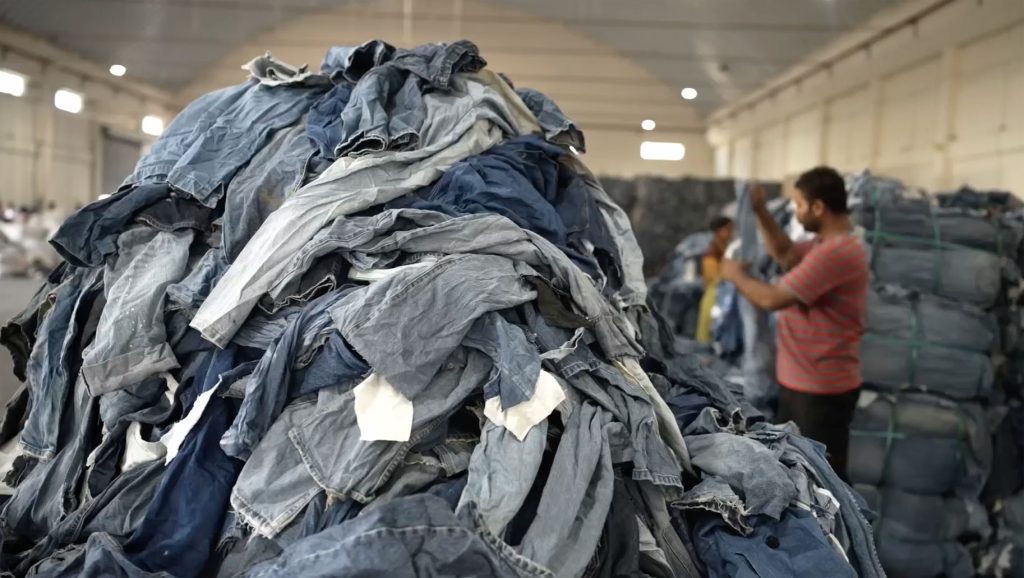
Through collection networks, professional sorting, wholesale distribution, resale channels, and recycling systems, the industry creates pathways for clothing to move between markets and reach new users.
A garment donated in one region may serve a different consumer in another market where there is demand for that specific product, climate, style, or price point.
This global movement of used clothing allows millions of garments to remain active for longer instead of becoming prematurely obsolete.
The role of secondhand is not to erase the impacts of production. It is to maximize the value of resources already invested in creating those products.
Does secondhand reduce the need for new production?
One of the most important questions surrounding secondhand is whether it replaces new clothing purchases.
In some cases, it can.
When a consumer chooses a quality secondhand jacket instead of buying a new one, the demand for a newly manufactured product may decrease. However, measuring this effect across the entire market is complex.
Consumer behavior varies. Some people use secondhand as a replacement for new purchases, while others purchase secondhand in addition to buying new clothing.
For this reason, secondhand should not be viewed as a guaranteed solution to reduce production volumes.
Its strongest contribution is extending product lifetimes and creating more opportunities for garments to be reused before new resources are required.
The limits of secondhand
A growing secondhand market is an essential part of a circular economy—but it cannot absorb unlimited increases in production.
Not every garment can be resold indefinitely. Materials degrade over time, products become damaged, and consumer demand changes.
The quality of clothing entering the market also matters. Durable garments with strong construction and timeless appeal generally have greater potential for multiple lives. Lower-quality products may have limited resale value and fewer recovery options.
This is why discussions about circularity cannot focus only on what happens after a garment is produced.
They must also consider how garments are designed and manufactured in the first place.
Why product quality and design matter
The future of circular fashion depends not only on collecting more clothing, but on creating clothing that can remain valuable for longer.
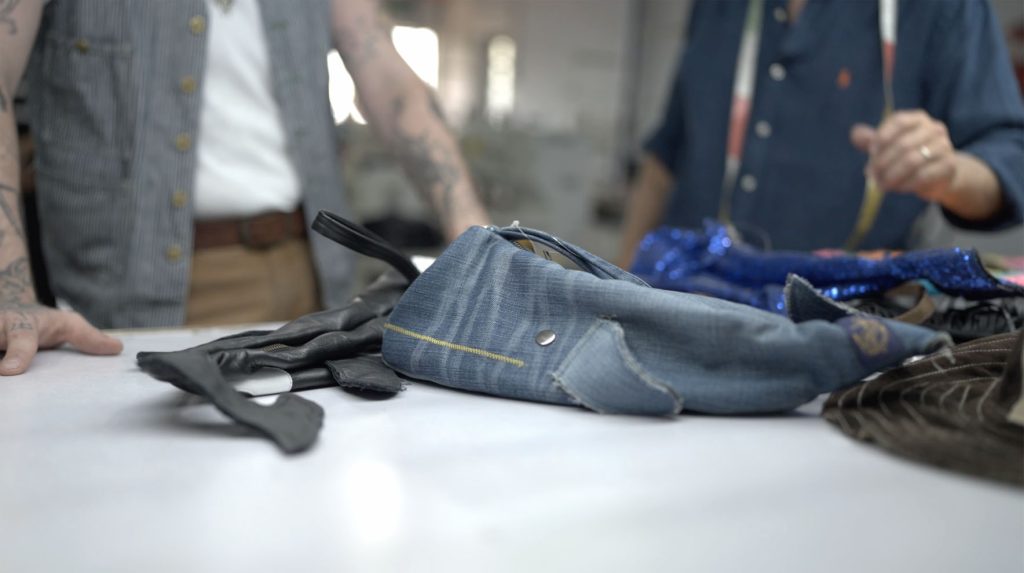
Garments designed with durability, repairability, and reuse in mind have greater potential to move through multiple ownership cycles.
For the secondhand industry, quality directly influences what can be recovered, resold, and redistributed.
A strong circular system begins before a garment reaches a donation bin or resale platform. It starts with decisions made during design and production.
Secondhand is part of the solution—not the entire solution
It is sometimes assumed that the secondhand industry can compensate for increasing production volumes.
It cannot.
No single part of the textile ecosystem can solve overproduction alone.
A more circular fashion industry requires collaboration across the entire value chain:
- Brands designing durable products.
- Manufacturers improving resource efficiency.
- Consumers extending garment lifetimes.
- Collection systems capturing more usable textiles.
- Secondhand businesses creating global markets for reused products.
- Recycling technologies recovering materials when reuse is no longer possible.
Each part has a different role.
The future of secondhand in a circular economy
The secondhand industry should not be viewed as a solution that allows overproduction to continue unchanged.
It should be recognized as essential infrastructure for a more responsible textile system.
By extending the life of garments, creating international markets, supporting economic opportunities, and recovering value from existing products, secondhand helps address one of the biggest challenges facing fashion today: making better use of what already exists.
The industry’s future depends on balance.
Producing fewer unnecessary garments, designing better products, and expanding reuse and recovery systems must happen together.
The question is whether the global fashion industry can build a system where every garment produced has the opportunity to deliver value for as long as possible.
New Contact Form - Sept 2025
"*" indicates required fields