
BV Admin English

From Donation to Destination: How Transparency Builds Trust in the Secondhand Supply Chain

Executive Summary Amid rising consumer and donor demand for ethical practices, transparency has become a cornerstone of trust in the global secondhand clothing supply chain. This white paper explores how increased visibility in donation handling, processing, and resale builds credibility with donors, aligns with consumer values, and supports sustainable business growth. Through chain-of-custody best practices, […]

From Donation to Destination: How Transparency Builds Trust in the Secondhand Supply Chain Read More »

Sustainable Promotions in Secondhand Wholesale: Gender Dynamics and Responsible Marketing

Executive Summary In today’s climate-conscious economy, businesses in the secondhand wholesale market must walk a fine line: generating appealing offers and promotions without encouraging overconsumption. For B2B stakeholders, particularly those targeting diverse audiences across retail, informal markets, and digital commerce, understanding consumer psychology—including gender-based behavioral insights—is vital. This white paper explores how to build ethical

Sustainable Promotions in Secondhand Wholesale: Gender Dynamics and Responsible Marketing Read More »

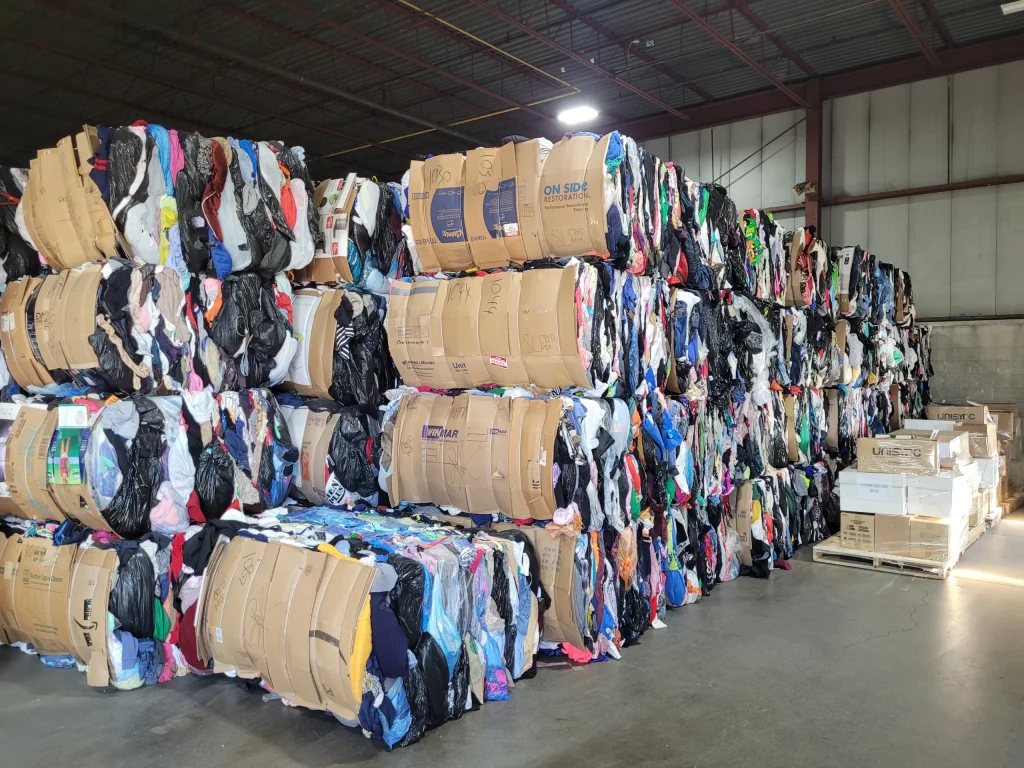
Beyond the Landfill Myth: Mapping the True Journey of Secondhand Clothing

Executive Summary The common narrative suggests that much of the world’s used clothing ends up in landfills. However, this oversimplified view overlooks the complex, often positive, journey of secondhand textiles. This white paper presents a data-driven examination of the global secondhand clothing trade, highlights the systems that enable reuse and recycling, and offers case studies

Beyond the Landfill Myth: Mapping the True Journey of Secondhand Clothing Read More »

Secondhand in the Age of Fast Retail- Competing with Ultra-Fast Fashion

Executive Summary The rise of ultra-fast fashion—epitomized by brands like Shein, Temu, and Zara—has reshaped the global apparel landscape, intensifying competition in price, convenience, and trend responsiveness. While this poses challenges for the secondhand clothing sector, it also opens unique opportunities. This white paper explores the impact of ultra-fast fashion on the secondhand market and

Secondhand in the Age of Fast Retail- Competing with Ultra-Fast Fashion Read More »

The Rise of Brand Partnerships in Secondhand

Executive Summary The secondhand apparel market is undergoing a transformative shift as leading fashion brands forge partnerships with resale platforms and circular economy innovators. These collaborations are not only driven by sustainability goals but also by shifting consumer behavior, regulatory pressure, and evolving business models. This white paper explores the strategic rise of brand partnerships

The Rise of Brand Partnerships in Secondhand Read More »

Chile’s New Textile Import Rules: Opportunities for Conscious Trade

A Market in Transition Chile has long been one of Latin America’s most dynamic destinations for secondhand clothing. Every year, thousands of tonnes of apparel enter the country, supporting a vibrant ecosystem of resellers, retailers, and communities who depend on these goods for both income and affordable fashion. Now, with the Ministry of Environment’s decision

Chile’s New Textile Import Rules: Opportunities for Conscious Trade Read More »

Border Enforcement Disruptions and Their Impact on the Secondhand Textile Trade in the U.S.

How Deportations Are Disrupting Textile Recovery in Texas Recent escalations in immigration enforcement in the United States—particularly across border states like Texas—are having wide-reaching effects on communities, businesses, and supply chains. For those working in the secondhand clothing industry, the impact is being felt in ways that threaten the flow of goods, access to labor,

Border Enforcement Disruptions and Their Impact on the Secondhand Textile Trade in the U.S. Read More »

Why Transparency and Traceability Matter in the Secondhand Supply Chain

Secondhand clothing travels far — from donation bins and sorting centers to overseas ports, street markets, and resale apps. But most of us, even those in the industry, can’t clearly map that journey. That’s a problem. For a sector that claims sustainability as a core value, transparency and traceability aren’t optional — they’re the proof

Why Transparency and Traceability Matter in the Secondhand Supply Chain Read More »

Evolving Pricing Models in the Secondhand Wholesale Industry: Auctions vs. Direct Sourcing

The secondhand wholesale industry is undergoing significant transformation, driven by shifting consumer preferences, technological advancements, and a growing emphasis on sustainability. As businesses adapt to these changes, two primary sourcing models have emerged: auctions and direct sourcing. Each offers distinct advantages and challenges, influencing pricing strategies and operational decisions. Auction-Based Sourcing: Competitive Bidding and Dynamic

Evolving Pricing Models in the Secondhand Wholesale Industry: Auctions vs. Direct Sourcing Read More »

Rag News: The Future of Used Clothing: Insights, Metrics & Market Moves

Market Insight Spotlight Kenya Overtakes Nigeria as Africa’s Top Importer of Secondhand Clothes According to a recent report from TheCable, Kenya has surpassed Nigeria as the continent’s leading importer of used clothing. This shift highlights evolving trade patterns, economic priorities, and the rising demand for quality, affordable garments. Read Full Article   🧭 Measuring Circularity

Rag News: The Future of Used Clothing: Insights, Metrics & Market Moves Read More »