

A garment does not necessarily lose its value after its first sale. Depending on its condition, material composition and market demand, it may be resold, repaired, redesigned or eventually processed for material recovery. Each option represents a different opportunity to keep resources in use while creating economic value.
For businesses across the textile and secondhand clothing supply chains, this is one of the central ideas behind the circular economy: instead of relying exclusively on selling new products, businesses can explore additional ways to generate revenue from garments that already exist.
The challenge is determining which option makes the most sense for each item and building the infrastructure needed to make it commercially viable.
What does a circular economy mean for clothing?
In a traditional linear model, clothing is produced, sold, used and eventually discarded. A circular approach aims to keep products and materials in use for as long as practical, reducing the need to continually depend on new resources.
According to the Ellen MacArthur Foundation, circular business models in fashion include resale, rental, repair and remaking. These approaches allow businesses to generate revenue by extending the useful life of existing garments rather than relying exclusively on new production.
This does not mean every garment can follow the same path. A high-quality jacket in good condition has different resale potential from a damaged T-shirt or a garment made from a complex blend of fibers.
The opportunity lies in identifying the most appropriate next use for each item.
Five ways one garment can create economic value
A garment can move through different stages of use and recovery, with each stage presenting a potential business opportunity. The following examples illustrate how these opportunities work in practice.
1. Resale: Give the garment another customer
Resale is one of the most direct ways to extend a garment’s useful life. Clothing that remains wearable can be sold again through secondhand retailers, online marketplaces, consignment shops or other resale channels.
For example, a denim jacket that no longer fits its original owner may still be in good condition and appeal to another customer. Rather than immediately becoming a material-recovery candidate, it can return to the market as a wearable product.
Potential revenue stream: Income from selling secondhand garments, whether individually, through retail operations or in wholesale quantities.
For resale businesses, success depends on factors such as garment condition, quality, style, size, local demand and purchasing costs. Sorting, cleaning, storage and distribution costs also influence profitability.
Resale can extend the period during which a garment provides value, but the opportunity depends on finding a suitable market for it.
2. Repair and refurbishment: Restore value before reselling
Some garments are wearable in principle but require minor work before they can be sold or used again. A missing button, a broken zipper or a loose seam may be enough to make an otherwise useful item less attractive to buyers.
Repair services can address these issues and help return garments to use. Refurbishment may also include cleaning, restoring a garment’s appearance or making appropriate alterations.
Consider a winter coat with a damaged zipper. If the fabric and other components remain in good condition, replacing the zipper could make the coat suitable for resale.
Potential revenue streams: Repair fees, refurbishment services and the resale of restored garments.
However, repair is not always the most economical option. Businesses need to compare labor, parts, processing time and other costs with the expected selling price. A garment requiring extensive work may not justify the investment.
3. Rental: Generate revenue through repeated use
Certain garments are used only occasionally, making them suitable candidates for rental models. Formalwear, special-occasion outfits and some types of professional clothing can be rented to multiple customers instead of being sold to just one.
A formal dress, for example, could generate revenue each time it is rented, provided it remains in suitable condition and customers continue to demand it.
Potential revenue streams: Rental fees, subscription services and related services such as cleaning, alterations or delivery, where offered.
Unlike resale, rental allows a business to earn revenue from the same garment over multiple rental periods. However, repeated use also creates operating costs, including cleaning, inspection, repairs, storage and logistics.
The model is most suitable for products that can withstand repeated use and maintenance, with enough demand to justify the investment.
4. Remaking and upcycling: Turn existing garments into new products
When a garment is no longer suitable for resale in its original form, some of its components may still have value.
Remaking involves creating a new product from an existing garment or its components. Upcycling can transform clothing into products with a different function or design, depending on the material available and the skills required.
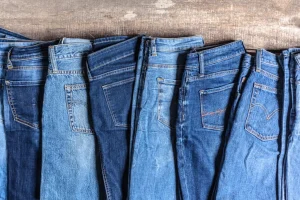
For instance, denim garments that cannot be resold as clothing may provide material for bags, accessories or other textile products. A designer or manufacturer could use selected sections of the fabric, depending on their condition and the intended application.
Potential revenue streams: Sales of remade products, customized garments and upcycling services.
This approach can create new uses for existing materials, but it requires more than creative design. Labor, equipment, production capacity, material consistency and customer demand all affect whether the resulting product can be sold profitably.
The value of the finished product must justify the cost of transforming the original garment.

5. Textile recycling: Recover material value when reuse is no longer viable
Eventually, a garment may no longer be suitable for continued wear, repair or remaking. Textile recycling offers another potential route, depending on the material and the recycling infrastructure available.
Mechanical recycling can process certain textiles into fibers that may be used in applications such as insulation, padding or other products. Some recycling technologies can also recover fibers for new textile production, although the feasibility depends on the feedstock and the process used.
For example, a cotton-rich garment may be suitable for a particular mechanical recycling process, while a blended garment containing cotton, polyester and elastane may present additional technical challenges.
Potential revenue streams: Sales of recovered fibers or other usable outputs, and payments for processing or supplying suitable materials where commercial arrangements exist.
Recycling is not a universal solution. Fiber blends, dyes, trims, contamination and fiber quality can affect the options available. Mechanical processing can also shorten fibers, limiting their suitability for certain applications.
Textile Exchange’s Materials Market Report highlights the limitations of current textile-to-textile recycling and the industry’s continued reliance on virgin materials.
For businesses, this reinforces the importance of identifying recycling opportunities based on actual technical capabilities and market demand rather than assuming every garment can be converted into new clothing.
How the value of a garment can change over time
These revenue opportunities are not necessarily a fixed sequence. A garment might be resold several times before requiring repair, while another might move directly to a material-recovery operation because of its condition.
Consider a hypothetical cotton denim jacket:
- First sale: A retailer sells the jacket to its original customer.
- Second sale: The owner sells it to a secondhand retailer, creating another sales opportunity.
- Repair: If the jacket later develops a damaged seam, a repair service restores it for continued use.
- Remaking: If it eventually becomes unsuitable for wear, selected fabric panels may be used to make accessories, provided their condition and the production economics support it.
- Material recovery: Any remaining material may be assessed for recycling if a suitable process and buyer are available.
This example illustrates several possible uses for the same garment over time. It does not mean that every item will pass through all five stages or generate a profit at each one.
The objective is to identify the most appropriate use at each stage, based on the garment’s condition, available technology and the economics of the market.
What makes these revenue streams commercially viable?
The circular economy creates opportunities, but additional revenue does not happen automatically. Businesses must consider the costs and practical requirements of keeping garments in circulation.
Several factors are particularly important.
Product condition and quality. Garments in better condition generally offer more opportunities for direct resale. Items requiring repair or remaking need to be evaluated according to the work involved and the value they could generate.
Sorting and classification. Identifying garments by condition, material composition and potential end use helps businesses direct products toward appropriate markets. Accurate sorting can also improve the consistency of material supplied to buyers.
Market demand. A garment may be technically reusable or recyclable without having a viable buyer. Businesses need to understand demand in their target markets before investing in collection, processing or inventory.
Processing and logistics costs. Collection, transportation, storage, cleaning, repair and handling can all affect profitability. A potential revenue stream is only commercially attractive when the expected return justifies these costs.
Access to suitable infrastructure. Resale requires channels that connect garments with customers. Repair and remaking require appropriate skills and equipment, while recycling depends on available facilities capable of processing the specific materials.
These considerations show why collaboration across the supply chain matters. Collectors, sorters, wholesalers, retailers, manufacturers and recycling operators can each contribute to keeping garments and materials in productive use.
The role of the secondhand clothing trade
The secondhand clothing trade plays an important role in extending the useful life of garments by connecting existing supply with demand in other markets.
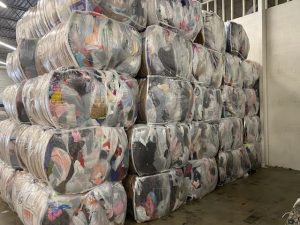
When wearable clothing is collected, sorted and distributed to appropriate buyers, it can reach customers who want or need secondhand products. Wholesale distribution can help move larger volumes of garments between suppliers and markets, supporting the continued circulation of clothing beyond its original owner.
However, not every garment collected is suitable for resale, and different markets have different requirements for quality, condition and product type. Reliable supply, appropriate classification and efficient logistics are therefore important to the process.
The secondhand trade is one part of a broader circular system. Repair, remaking and recycling can provide additional options for materials that are not suitable for direct resale, where the necessary infrastructure and demand exist.
By recognizing the different roles within this system, businesses can identify opportunities to retain value that might otherwise be lost when a garment leaves its first market.
Building a more circular clothing industry
A circular economy does not depend on finding one solution for every garment. It depends on developing multiple pathways that keep products and materials in use for as long as practical.
Resale can connect wearable clothing with new customers. Repair can restore functionality. Rental can generate repeated income from suitable products. Remaking can create new products from existing garments, while recycling can recover materials when further use as clothing is no longer viable.
Each approach has different requirements, costs and limitations. The most effective strategy is to assess garments individually, prioritize feasible options and establish the supply chains needed to move products and materials to their next use.
For businesses across the textile and secondhand clothing industries, the opportunity is to look beyond the first transaction. A garment’s commercial life does not have to end with its first owner, and understanding its potential next use can help create new revenue opportunities throughout the supply chain.
A more circular clothing industry begins by recognizing that a garment can have value beyond its first sale—and by building the systems that make that value accessible.