
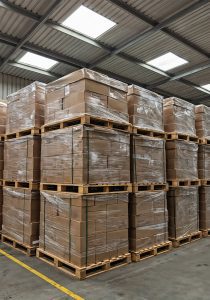
Retailers across North America deal with a constant logistics challenge: matching production and purchasing decisions to actual consumer demand. When that balance shifts, even slightly, warehouses fill up with goods that never made it to a shopper’s cart. This surplus, broadly known as overstock inventory, has become a significant part of the secondary supply chain that connects manufacturers, retailers, and resellers from all over the world.
What does overstock mean?
Overstock meaning, in simple terms, refers to merchandise that a retailer purchased or produced in quantities higher than what sold during a given season. It is still new, still sellable, and typically still in its original packaging. The causes behind overstock inventory are usually practical rather than related to product defects:
- Forecasting errors, where a buyer ordered more units than the market absorbed
- Seasonal transitions, when winter coats or summer apparel must clear shelf space for the next collection
- Canceled or reduced wholesale orders from a retail partner
- Promotional cycles that did not generate the expected sales volume
A related term that often causes confusion is deadstock. Unlike overstock, deadstock refers to items tied to a specific moment that has already passed, like products with seasonal branding, holiday messaging, or a printed year that makes them unsellable once that window closes. A shirt reading “World Cup 2022” or merchandise branded for an event that already took place falls into this category, regardless of how little it was actually worn.
Deadstock clothing can also include discontinued styles or deadstock fabric rolls a manufacturer never used. In the footwear world, deadstock shoes follow a different logic: the term there usually points to rare or vintage releases that remained unworn and unsold long enough to become collectible.
Difference between overstock and deadstock
To recap, although many terms describe unsold goods, the distinction matters for buyers working in bulk liquidation:
- Overstock refers to excess inventory that retains commercial value and can still move through standard or discounted retail channels, commonly sold as overstock pallets.
- Deadstock refers to inventory that has become obsolete on its own, not because of damage or low demand. It typically results from product changes, updated specifications, discontinued lines, regulatory requirements, or shifts in operational needs. These items remain in usable condition but can no longer be sold in the original business. An example of deadstock is New Year’s Eve party supplies labeled 2025, which are no longer sold in stores once that year has passed.
- Store returns: These are items, usually new and in excellent conditions, a consumer purchased and sent back for various reasons.
Understanding what is overstock inventory versus what does deadstock mean in clothing helps buyers, whether they run a boutique or a wholesale operation, set realistic expectations about condition, pricing, and resale potential.
Giving Overstock Inventory a Second Life
Overstock inventory often finds its way into a wide range of secondary market channels, including liquidators, off-price retailers, resellers, export wholesalers, thrift organizations, and secondhand stores. While each business model operates differently, these channels help extend the commercial life of products that remain unsold through traditional retail. For retailers and buyers, overstock can provide access to new, unused merchandise at competitive prices, while consumers benefit from a broader selection of products that may include branded items, discontinued styles, or inventory no longer available through mainstream retail channels.
This dynamic has fueled the growth of dedicated deadstock stores and resale shops that specifically market the appeal of finding overstock or deadstock fabric pieces that mainstream retail no longer carries.
Local markets, consignment shops, and independent boutiques across both the United States and Canada increasingly rely on this supply chain.
How to buy overstock pallets?
For buyers asking where to buy overstock pallets or how to buy overstock pallets at a commercial scale, the process generally follows a structured path from manufacturer to reseller.
It begins when a retailer or brand identifies excess inventory sitting in its distribution centers. Rather than holding onto goods that tie up warehouse space, that retailer works with a liquidation partner to move the merchandise efficiently. Bank and Vogue operates in this exact space, connecting brands with surplus apparel to a global network of wholesale buyers searching for overstock pallets for sale.
The typical workflow looks like this:
- A brand or retailer consolidates overstock inventory by category, season, or condition
- The liquidation partner sorts and grades the merchandise, separating overstock pallets destined for resale from anything that falls into deadstock or damaged categories
- Products are packed and shipping in containers, which are transported by sea to ports that function as regional distribution hubs
- The buyer receives, inspects, and redistributes the merchandise through their own retail or wholesale channels
This system gives smaller buyers, including those searching for where to buy overstock items in bulk, a reliable entry point into a market that would otherwise be difficult to access without direct manufacturer relationships.
"*" indicates required fieldsNew Contact Form – Sept 2025
The Important Role of Overstock Sales in Sustainability
Beyond the commercial logic, overstock liquidation carries real environmental weight. Every pallet of overstock inventory that gets redirected to a thrift store, export market, or wholesale buyer is one less shipment headed for a landfill. Textile waste remains one of the more pressing issues in global manufacturing, and reselling surplus goods extends the life cycle of products that are otherwise in perfectly good condition.
For consumers, this system provides access to quality merchandise at reduced prices. For the industry, it supports a more circular model, where production excess becomes a resource rather than a loss. Overstock inventory is increasingly recognized for its role in reducing waste across the supply chain.