

When people think about the secondhand industry, resale is often the first thing that comes to mind. But resale is only part of the story.
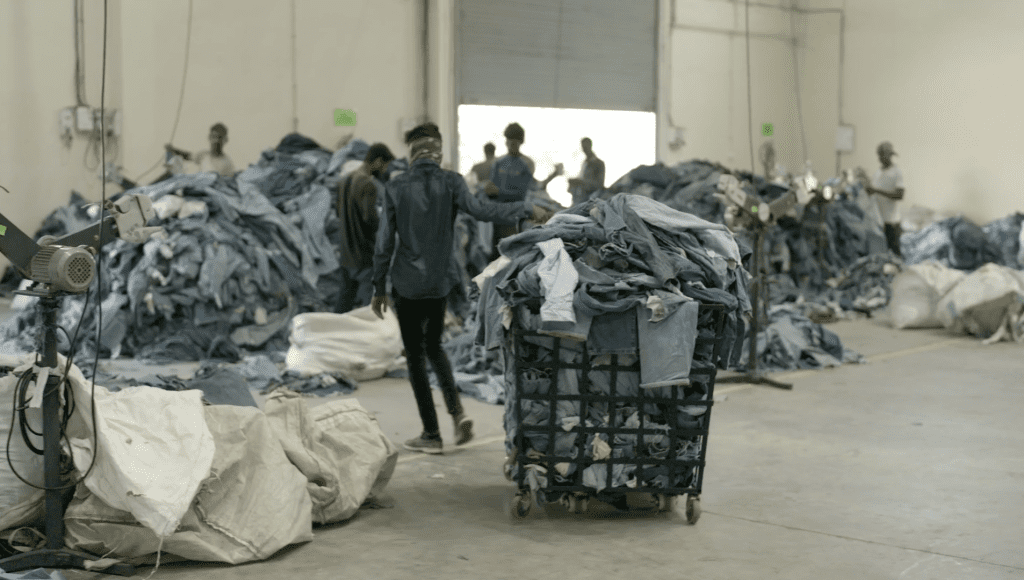
Every year, millions of pounds of textiles are collected through donation programs, take-back initiatives, and recovery networks. While many of these items can be resold and worn again, others are no longer suitable for the secondhand market due to wear, damage, or changing consumer demand.
That doesn’t mean they’ve reached the end of their useful life.
Today, used textiles are increasingly being utilized as raw materials for a wide range of products, helping extend the value of existing resources and supporting a more circular approach to manufacturing.
Looking Beyond Resale
Keeping clothing in use for as long as possible remains a key objective of the circular economy. However, not every garment can be resold.
This is where other recovery pathways become important.
Textiles that are no longer suitable for reuse can be processed into industrial wiping cloths, mattress and furniture padding, insulation products, carpet underlay, and recycled fibers used in manufacturing. These applications help divert materials from disposal while creating value from resources that might otherwise be overlooked.
According to the Recycled Materials Association (ReMA), approximately 30% of recovered textiles are converted into wiping and polishing cloths, while another 20% are processed into fiber for various industrial and consumer products.
Why Demand Is Expanding
Several factors are contributing to growing interest in textile-derived raw materials.
Manufacturers across multiple sectors are looking for ways to reduce waste, improve resource efficiency, and incorporate recycled content into their operations. At the same time, advancements in textile recycling technologies are creating new opportunities to recover fibers from materials that were previously difficult to process.
The result is a growing recognition that used textiles can serve as a valuable input for products beyond apparel.
This shift is helping strengthen markets for recovered materials while supporting broader efforts to keep resources in circulation for longer.
A Wide Range of Applications
Recovered textiles are already being used in a variety of industries.
Some of the most common applications include:
- Industrial wiping cloths
- Furniture and mattress filling
- Building and acoustic insulation
- Carpet underlay
- Automotive applications
- Nonwoven products
- Recycled fiber feedstock
These markets play an important role in the textile recovery ecosystem by creating end uses for materials that cannot be resold.
As innovation continues across the recycling sector, new applications for recovered textiles are expected to emerge, creating additional opportunities to capture value from existing materials.
Building More Circular Supply Chains
The conversation around used textiles is evolving.
Rather than viewing textiles solely through the lens of resale, businesses are increasingly recognizing the importance of developing multiple pathways that keep materials in use. Reuse, repair, recycling, and material recovery each have a role to play in reducing waste and maximizing the value of existing resources.
Creating a more circular textile industry will require collaboration across the value chain—from collectors and sorters to recyclers, manufacturers, and brands.
As demand for sustainable materials continues to grow, recovered textiles are proving that their value extends far beyond a single use.
New Contact Form - Sept 2025
"*" indicates required fields