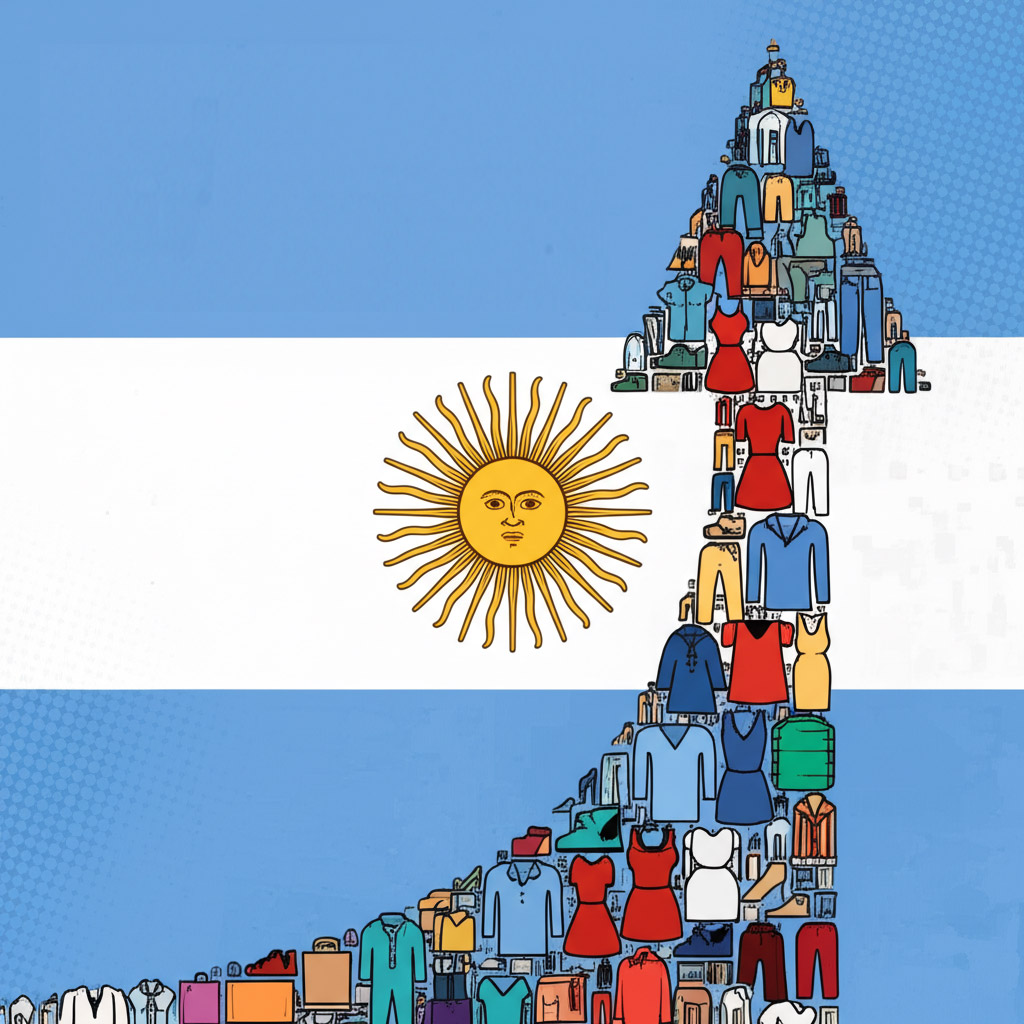


Argentina’s secondhand clothing market has undergone a significant transformation in 2025. Imports of used garments increased more than 40 times year over year (2024 vs. 2025), prompting debate around public health, environmental impact, and competition with domestic textile production.
As this discussion unfolds, one critical distinction is often overlooked: not all secondhand clothing enters the market under the same conditions.
Rapid Growth Needs Context
The surge in imports has been driven mainly by shipments from the United States, Chile, Pakistan, and China. While the scale of this growth has raised concerns, volume alone does not determine risk or impact. The type of product imported and the way it is prepared for export play a decisive role.
Professional secondhand trade operates very differently from informal or uncontrolled clothing flows.
The Role of Graded Secondhand Goods
Graded secondhand clothing represents a structured, quality-controlled segment of the reuse market. These goods are not collected or shipped at random.
Before export, garments are:
- Sorted and classified to remove damaged, heavily worn, or unsellable items
- Grouped by category and quality, ensuring transparency and consistency
- Compressed and sealed in bales, minimizing handling and exposure
- Fumigated or disinfected, in line with importing country requirements

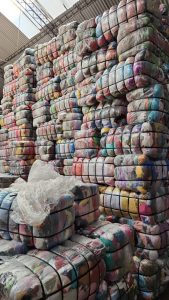
These processes significantly reduce hygiene and safety risks and help ensure the products entering the market are intended for resale and reuse.
From a commercial standpoint, the economics are clear:
Secondhand containers valued between USD $60,000 and $120,000 are purchased as inventory — not as waste.
Reuse as a Tool for Waste Prevention
Concerns that secondhand imports could contribute to landfill accumulation are understandable, particularly when imports lack oversight. However, graded goods function within a different model.
Properly classified secondhand clothing:
- Enters the market with clear resale intent
- Extends the useful life of garments already produced
- Reduces pressure on new textile manufacturing
- Supports reuse — the highest-value strategy in the circular economy
When managed correctly, secondhand trade helps prevent textile waste rather than transfer it.
Health Controls and Regulation
In response to sanitary concerns, Argentina introduced tighter controls on used clothing imports under HS Codes 6309.00.10 and 6309.00.90, including:
- The AUTO-ROPA-USADA documentation requirement
- Mandatory disinfection or fumigation certificates
These measures aim to improve traceability and safeguard public health. For exporters operating within established grading and compliance systems, such requirements align with standard international best practices.
Trade Policy Context Matters
At the same time, Argentina reduced tariffs on new clothing, footwear, and textiles from 35% to 20% as part of broader efforts to control inflation and improve consumer access.
Secondhand imports are therefore entering a market already adjusting to greater global competition across both new and used apparel, making it essential to evaluate their role with nuance rather than generalization.
Affordability and Access in a High-Inflation Economy
Argentina’s economic context is an essential part of the secondhand clothing conversation.
In recent years, high inflation and declining purchasing power have significantly affected household budgets, making access to affordable clothing a priority for many consumers. For large segments of the population, price — not preference — determines purchasing decisions.
Secondhand clothing plays a role in this environment because:
- Used garments are typically more affordable than new clothing
- They allow consumers to stretch limited income further
- They provide access to basic apparel without increasing household debt
- They help mitigate the impact of rising prices in essential goods
This affordability factor helps explain why demand for secondhand clothing has grown alongside broader trade liberalization measures aimed at lowering consumer prices.
A More Informed Conversation
Argentina’s experience highlights the importance of differentiation within the secondhand market.
Equating all used clothing imports with waste overlooks the role that graded, hygienic, resale-ready goods play in global reuse systems.
A regulated, quality-focused secondhand trade can support:
- Consumer affordability
- Waste reduction
- Extended product lifecycles
- More responsible use of existing resources
The outcome depends not only on whether secondhand goods are imported — but on how they are prepared, regulated, and integrated into the market.